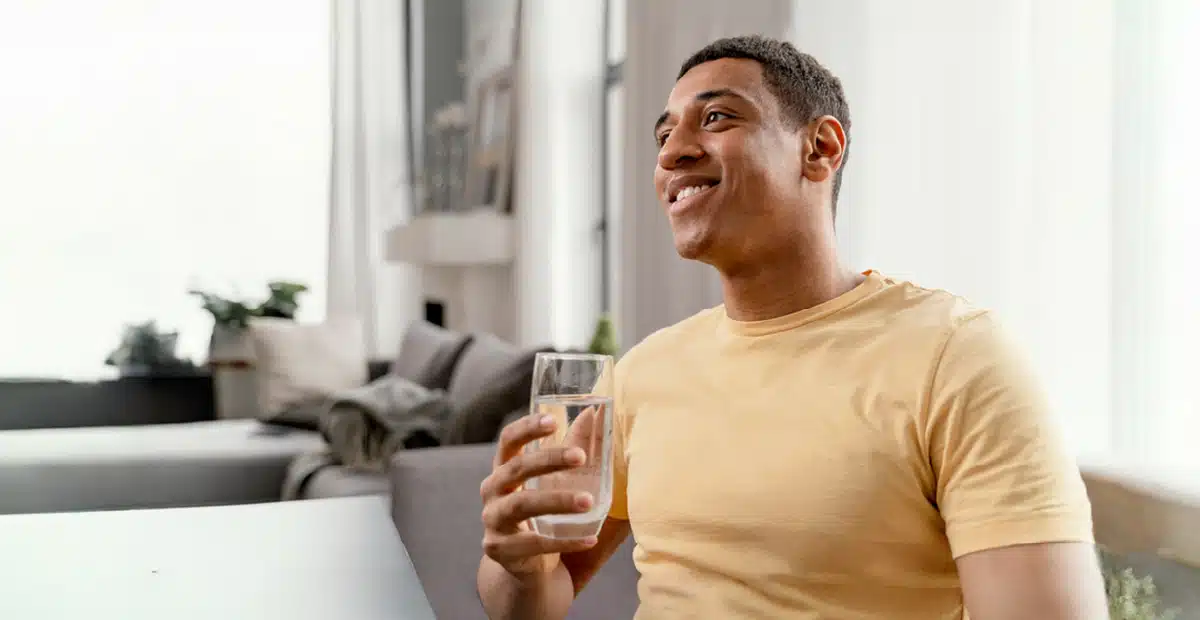
Many of us are familiar with the “Happy Hour” or “wedding toast” dilemma. Join the drinkers who seem to be having a great time, or as a non-drinker, feel left out, holding a glass of sparkling water wondering what’s so much fun.
But you’re not alone. Health-conscious individuals, sober-curious people, designated drivers, pregnant women, and anyone feeling social pressure to drink may wish to consider non-alcoholic beverages. And there’s now a wide range to choose from.
The Choice: Non-Alcoholic Beverages
For a growing number of people, including those in recovery, the question arises: “How do I socialize without alcohol?” Whether for health, wellness, or personal reasons, opting out can feel isolating.
Advancements in dealcoholization processes preserve flavor. Hoppy IPAs, rich stouts, crisp lagers, and complex dealcoholized wines (red, white, and sparkling) mimic the real thing.
High-quality ingredients—fever-tree tonics, artisanal ginger beers, kombucha, and apple cider vinegar-based shrubs—can be enjoyed on their own or as a base for creation.
Non-alcoholic drinks offer a diverse range of flavorful and festive options, helping people stay sober while still enjoying social gatherings and rituals. Whether attending parties, hosting events, or just unwinding with friends, these beverages can provide relaxation and enjoyment without the effects of alcohol. Some of the kinds now available include \[1\] \[2\]:
Mocktails
Mocktails are very creative blends. Cucumber melon mojitos, blood orange spritzers, virgin palomas, and negroni mocktails capture the flavor and feeling of traditional cocktails, without the alcohol. Fresh fruit juices, flavored syrups, herbs, or alcohol-free spirits are featured, to create beverages.
Non-Alcoholic Spirits
Distilled zero-proof botanical blends of gin, whiskey, and tequila mixed with soda, tonic, or juice are intended to capture the complexity of sophisticated cocktails such as “Gin & Tonic” or “Old Fashioned”, without the alcohol.
Sparkling Adaptogenic Beverages
For those seeking wellness-inspired calming or energizing choices, botanicals and adaptogens, which are thought to help the body manage and adapt to stress (like ashwagandha, reishi, L-theanine), are all the rage.
Functional Sodas and Sparkling Teas
Probiotic benefits and unique flavor profiles from Kombucha, herbal sodas, and botanical seltzers are provided.
Sophisticated Ready-to-Drink (RTD) Options
Grocery stores and bars carry convenient pre-mixed, canned mocktails.
More Than Just Sobriety
There are many reasons why people are choosing non-alcoholic beverages:
- Wellness Wave: They are looking for physical and mental health benefits, including improved sleep, better mental clarity, and reduced anxiety.
- “Sober-Curious”: Those who are exploring their relationship with alcohol, but without committing to full abstinence.
- Inclusiveness: For designated drivers, pregnant women, those in recovery, or non-drinkers. Spaces where everyone feels welcome.
- Just Better Choices: Discover more complex and interesting flavors than a “default” alcoholic beverage.
Considerations for Those in Recovery From Alcohol Use
For people recovering from alcohol addiction, non-alcoholic drinks can provide valuable social and psychological support, However, their use is complex and must be handled thoughtfully.
Potential Risks
Alcohol-free beer, wine, or mocktails may trigger cravings, relapse, or emotional associations with past drinking. These drinks mimic the taste, appearance, and ritual of alcoholic beverages. This can activate neural pathways tied to addiction and “sensitisation,” long after stopping alcohol use.
Trace Alcohol Content
Due to production processes, many “alcohol-free” products contain small amounts of alcohol (typically under 0.5% alcohol by volume). These drinks may pose additional risk, for those early in recovery or with a history of binge drinking. Honest self-assessment from a harm-reduction approach is recommended.
Social Inclusion
Non-alcoholic cocktails or hop-based waters (that do not mimic alcohol) can help recovering individuals feel included during social events. This can counter isolation, which is a major risk factor for relapse.
Safer Alternatives
Avoid triggering memories or cravings connected with alcohol by exploring new flavors and drinks that don’t resemble alcohol choices. Choices such as herbal sodas, botanical seltzers, or hop water may be safer.
Your Recovery Game Plan for Any Social Situation
For those in recovery, consider the following ways of handling a situation where alcohol is present \[3\] \[4\].
Handling Pressure with Clear Set Boundaries
Be comfortable with a simple explanation to others offering your drinks by saying “No thanks. I’m focused on my health and enjoying my mocktail. But don’t let that hold you back from enjoying yourself. You don’t need to over-explain your decision.
Look for Alcohol-Free Places
Many cultural events, outdoor activities, or wellness-oriented cafes are alcohol-free places to connect with others.
At a Bar or Restaurant
Avoid these environments if you are not comfortable.
- Be Proactive: Ask the bartender, “What interesting non-alcoholic options do you have?” or “Can you make something with ingredients such as ginger, lime, mint?”
- Faking It: Always have a drink in your hand (e.g., soda with lime). This often prevents others from offering you alcohol.
Hosting at Home
- Get Creative: Feature non-alcoholic options in your drink station. Have a signature mocktail for the night.
- Presentation is Key: Use nice glassware, garnishes, and ice to make the non-alcoholic drinks feel just as special as the alcoholic ones.
Seeking Help and the Path to Recovery at Northbound
At Northbound, we have extensive experience helping patients overcome their substance abuse addictions, and with a Christian faith-based track for those wishing to participate.
The first steps are detoxification and stabilization, under 24-hour medical supervision in our Withdrawal Management center for whatever time you may require.
We offer a wide range of evidence-based therapies, counseling, and trauma-informed support to assist you in your healing. We personalize each treatment plan around the needs of our patients.
Our inpatient residential program offers 24/7 live-in treatment for substance abuse. Our outpatient treatment provides a flexible step-down from our residential program, allowing you to live at home and participate for several hours a day.
For more than 30 years, Northbound Treatment Services in California has been at the forefront of providing lifesaving, compassionate residential care and specialized services to help people from all walks of life feel better, discover themselves, and live free from addiction.
We have facilities located throughout California to help guide you on your recovery journey. Reach out to our admissions team now.
Sources
Kate S. 2025. Buzz Without The Booze: Best Drink Options For 2025. Somegoodcleanfun.com
14 Best Non-Alcoholic Drink Alternatives (2025 Review). Thegoodtrade.com
Social Drinking Without Alcohol: A Beginner’s Guide. Impossiblebrew.co.uk
Navigating Parties and Social Gatherings with Non-Alcoholic Drink Options. Smashd.com