

















Online Intensive Outpatient Programs (IOPs) are changing access to addiction and mental health treatment. They incorporate clinical care with the accessibility and flexibility of online delivery, breaking down traditional barriers to recovery.
An online or virtual IOP (also called telehealth) is a level of care between standard outpatient therapy and partial hospitalization or inpatient treatment. It is typically offered at least 9 hours per week across multiple days. Participants log in from home for scheduled groups, individual sessions, psychoeducation, and skills work, rather than residing in a facility.
What is Online IOP?
Online intensive outpatient programs (IOPs) are structured, multi-hour-per-week addiction and mental health treatments delivered via secure video so people can receive intensive care while living at home and continuing work, school, or family roles.
When well designed and appropriately matched to clinical severity, online IOPs show feasibility and outcomes comparable to in‑person IOP for many substance use and co‑occurring conditions, especially for patients without acute withdrawal or imminent safety risks.
Common components include:
- Typical Schedule: Sessions are held 3-5 days per week, typically in 3-hour sessions using secure video platforms. They are often offered in morning, afternoon, or evening cohorts.
- Group therapy (process, skills, relapse prevention) to provide peer support and accountability.
- Individual therapy and case management focused on personalized treatment goals and co‑occurring diagnoses.
- Psychoeducation and skills training (e.g., CBT, DBT skills, craving management, emotion regulation, sleep and stress tools).
- Family involvement and coordination with prescribers when medication for Substance Use Disorder (SUD) or psychiatric conditions is indicated.
Who Online IOP Is Suited For
Online IOP is generally appropriate for people with moderate to sometimes severe substance use or mental health disorders. They need more structure than weekly therapy but they are medically and psychiatrically stable enough to remain at home.
It can be a step‑down from residential or PHP, or a step‑up from traditional outpatient care when symptoms, relapse risk, or functional impairment increase.
It is usually not appropriate as a stand‑alone intervention when:
- There is a need for medical detoxification, severe withdrawal risk, or unstable medical conditions.
- Active, severe substance use without prior detoxification.
- Acute crisis or severe instability requiring 24/7 supervision.
- There is active suicidal intent, uncontrolled psychosis, or high risk of harm to self/others that requires 24‑hour monitoring.
- Serious co-occurring medical conditions needing immediate intervention.
In such cases, inpatient, residential, or Partial Hospitalization Program (PHP) levels of care are typically recommended first, potentially followed by online IOP as a step‑down.
The Key Advantages of Online IOP
Research shows online IOP for substance use disorders can achieve high engagement and abstinence rates. This evidence supports online IOP as a viable approach for moderate to severe SUD when carefully implemented.
- Accessibility Eliminates Geographic Barriers
- Schedule Flexibility
- Comfort and Reduced Stigma
- Continuity of Care.
- Hybrid care models
- Building Digital-Life Skills
Comparison of In-Person and Online IOP
| Aspect | Online IOP | In-person IOP |
| Access & Logistics | No commute; accessible for rural/remote patients. | Requires travel; constrained by geography. |
| Engagement & retention | High 30‑day engagement reported in some online IOPs. | Historical 30‑day engagement ~50–68% in many programs. |
| Flexibility | Easier to integrate with work/school/family. | More disruption to daily schedule |
| Structure & milieu | Home‑based environment; may limit some milieu effects. | On‑site milieu, richer nonverbal and environmental cues |
| Suitability for high acuity | Less suited for patients needing medical monitoring or intensive safety checks. | Better for acute/complex cases needing in‑person oversight. |
Evidence for the Effectiveness of Online IOP
In a recent study of 4,724 participants, nearly 80% remained engaged in the program for 30 days, and 91% attained at least 30 consecutive days of abstinence over the course of treatment. Nearly 45% demonstrated a successful response to care and no longer required IOP treatment.
Those who finished the IOP completed over 70% of the asynchronous assignments. Results support the feasibility and effectiveness of delivering a telehealth IOP for SUDs. [1]
Another large study of 1000+ residents of a major addictions treatment center found continuous abstinence levels of 63.1%, consistent with previous studies. These results are promising and suggest a potential continuing role for online IOP as an effective component in addiction treatment settings [2].
Suitability: Is an Online IOP Right for You?
The ideal candidate profile includes:
- Motivated individuals with a stable, safe home environment
- Those with reliable internet and privacy
- People stepping down from inpatient
- Those with strong time management skills
- Success requires active participation, logging on consistently, and engaging despite being at home.
7 Things to Look For In an Online IOP Program
When evaluating programs for yourself or a family member, look for:
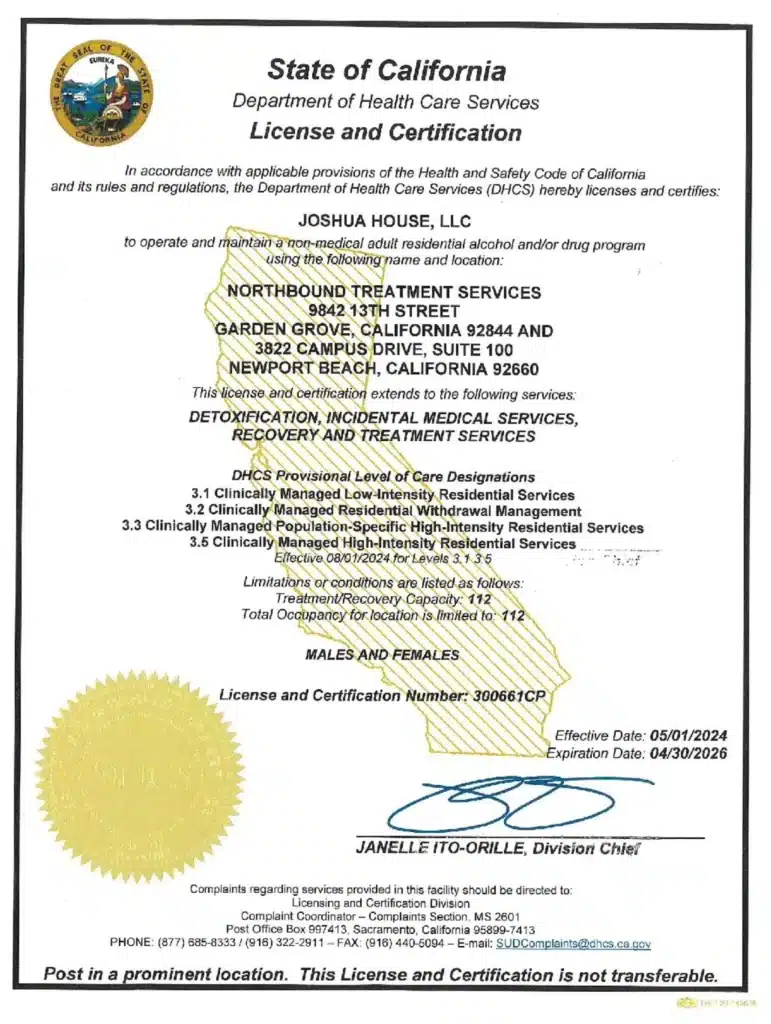
- Licensing and accreditation
- Clinical scope of treatment
- Licensed Clinical Staff
- Assessment and individualized planning
- Integrated Care Planning
- Structure and hours
- Technology and privacy
Practical Steps to Get Started
For someone considering online IOP:
- Seek a professional recommendation and/or self‑refer
- Verify insurance coverage
- Notice how staff communicate and willingness to discuss clinical approach and outcomes.
Seeking Help and the Path to Recovery at Northbound
At Northbound, we have extensive experience helping patients overcome their substance abuse addictions, and with a Christian faith-based track for those wishing to participate.
We offer a wide range of evidence-based therapies, counseling, and trauma-informed support to assist you in your healing. We personalize each treatment plan around the needs of our patients.
The first steps are detoxification and stabilization, under 24-hour medical supervision in our Withdrawal Management center for whatever time you may require.
Our inpatient residential program offers 24/7 live-in treatment for substance abuse. Our outpatient treatment provides a flexible step-down from our residential program, allowing you to live at home and participate for several hours a day.
For more than 30 years, Northbound Treatment Services in California has been at the forefront of providing lifesaving, compassionate residential care and specialized services to help people from all walks of life feel better, discover themselves, and live free from addiction.
We have facilities located throughout California to help guide you on your recovery journey. Reach out to our admissions team now.
Sources
[1] Contreras-Schwartz, J.,et al. . (2024). Patient Engagement in Providing Telehealth SUD IOP Treatment: A Retrospective Cohort Study. Healthcare (Basel, Switzerland), 12(24), 2554.
[2] Gliske, K., et al. (2022). Telehealth Services for Substance Use Disorders During the COVID-19 Pandemic: Longitudinal Assessment of Intensive Outpatient Programming and Data Collection Practices. JMIR mental health, 9(3).
Author
-
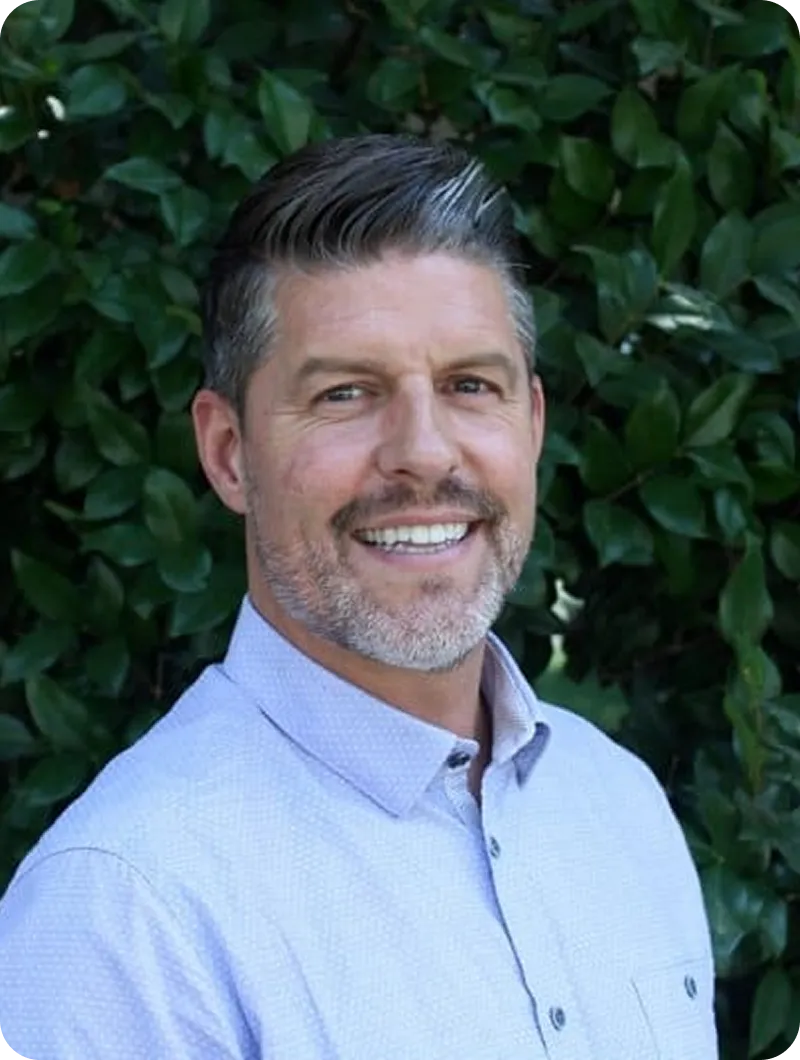
President, CEO & Founder at Northbound Treatment Network
Paul Alexander is the CEO, President & Founder of Northbound Treatment Network in Newport Beach, California. He believes wholeheartedly in transformational leadership, organizational health and effective, fully integrated substance use disorder and mental health treatment. With over 27 years of experience in behavioral healthcare, Paul has extensive knowledge of “in vivo” treatment modalities, clinical development, operations, strategy, marketing and financial planning. He has been widely recognized for his development of collegiate-based residential treatment programs for students in recovery and authored a research study at The University of California confirming this modality’s effectiveness.
Paul’s comprehensive professional experience, willingness to innovate, and emphasis on organizational health are vital factors in Northbound’s continued success. Paul received his Certified Addiction Treatment Specialist training at Saddleback College in Mission Viejo, CA, and was awarded Outstanding Alumni Service Award in 2002. Paul holds a Bachelor of Arts degree in Criminology, Law and Society, Summa Cum Laude, from University of California, Irvine, and a Juris Doctorate degree from Loyola Law School of Los Angeles. Paul currently serves on The National Association of Addiction Treatment Providers (NAATP) board. In addition, he serves on The Family Recovery Foundation board and The CarePossible board in Orange County; both organizations are committed to raising funds for family recovery and treatment for former military personnel. Paul is in recovery himself and lives in Orange County with his wife Silvana and his two young sons, Noah and Dean.