

Warm California bungalow exterior representing independent recovery housing after addiction treatment

California Recovery Housing Guide

California Sober Living & Recovery Housing Guide

How recovery housing works after addiction treatment

This guide covers costs, house rules, certification, and insurance for California recovery housing after rehab. Northbound provides addiction treatment and continuing care. We do not own or operate sober living homes.

  • Educational guide — not a Northbound-owned residence listing
  • Cost, rules, certification, and insurance explained plainly
  • Pair housing with PHP, HomeBound, or aftercare when clinically appropriate
  • Admissions available 24/7 for continuing-care planning
(866) 311-0003Available 24/7 · Confidential

Northbound does not own or operate sober living homes. Page content last updated: 2026-08-14.

Overview

What Is Sober Living in California?

Sober living in California provides a drug- and alcohol-free place to live while a person builds stability after addiction treatment. Also called recovery housing or a sober living environment, these homes may provide peer support, accountability, house rules, recovery-focused routines, and greater independence than residential treatment.

Recovery housing can help people who need a substance-free living environment after medical detox or residential care, or while they continue a lower level of care. It is not a substitute for licensed clinical treatment. Residential rehab provides 24/7 clinical programming; sober living primarily provides housing, peer accountability, and daily structure.

Many people use sober living as a bridge between highly structured treatment and independent living. A Partial Hospitalization Program, virtual intensive outpatient treatment, outpatient therapy, or another recovery service can continue while someone lives in independent recovery housing.

Northbound Treatment does not own or operate sober living homes. Northbound provides addiction treatment, aftercare, virtual intensive outpatient treatment, alumni services, and relapse-prevention support. When appropriate, the admissions team can help clients understand what to look for when evaluating independent recovery housing.

Speak with a Counselor

At a Glance

Page Type

Educational Housing Guide

Northbound Role

Treatment & Aftercare — Not Housing Operator

Treatment Campuses

Garden Grove & Newport Beach

Statewide Option

HomeBound Virtual IOP (CA Residents)

Insurance

Verify Treatment Benefits — Not Rent

Admissions

(866) 311-0003 · 24/7

Local Facility

Continuing Care After Treatment in California

Northbound’s on-site campuses are in Orange County — detox and residential at Garden Grove, and a partial hospitalization program in California at Newport Beach. After a higher level of care, many people return to a home community somewhere in California and need a substance-free place to live.

HomeBound virtual intensive outpatient treatment is available to eligible California residents, which can make it possible to keep structured clinical support while living in independent recovery housing, a family home, or another stable setting.

Housing quality, house rules, and local requirements vary widely across the state. Northbound can help you plan continuing care; families still choose and contract with any residence independently.

Detox & Residential
Garden Grove campus
24/7 Admissions
(866) 311-0003
Housing Scope
Independent residences only — not Northbound-owned
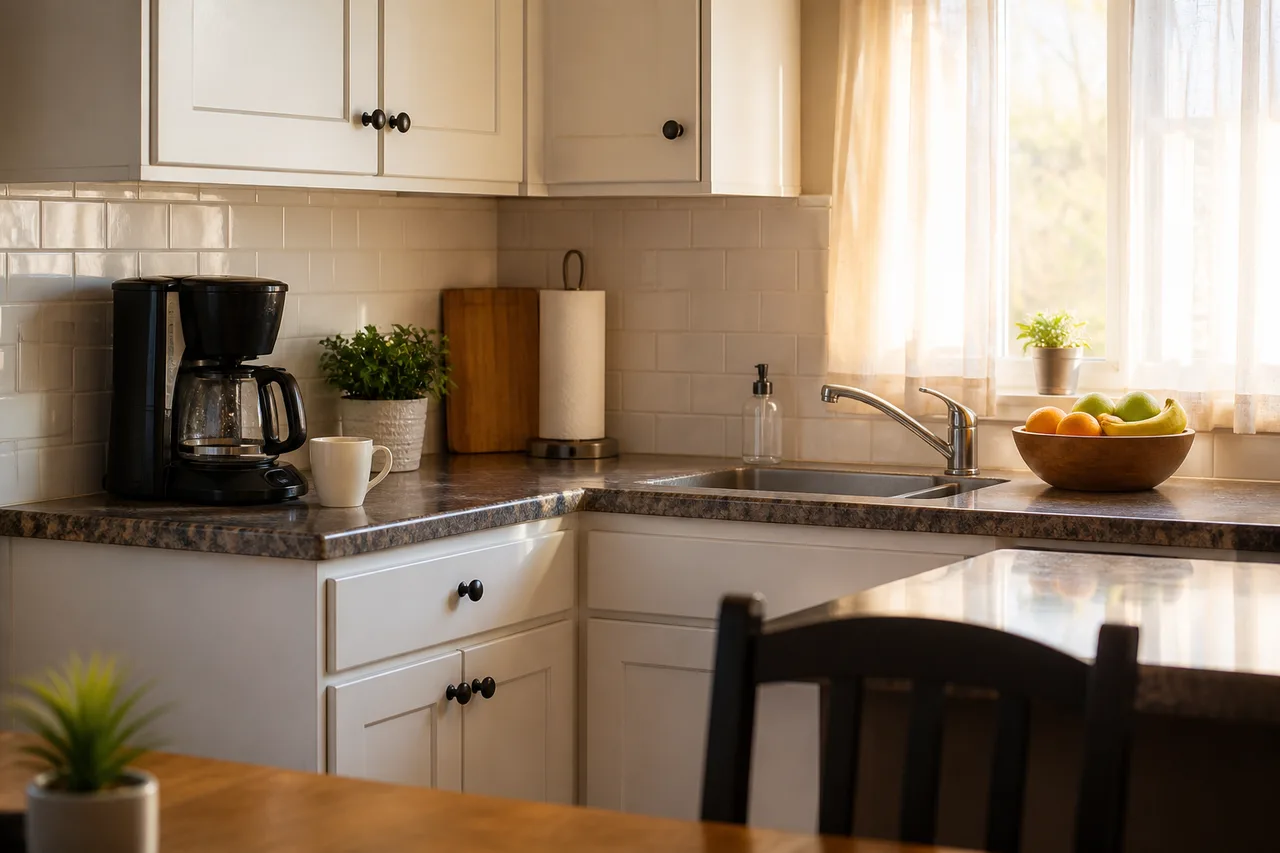
Bright shared living room representing independent California recovery housing after treatment
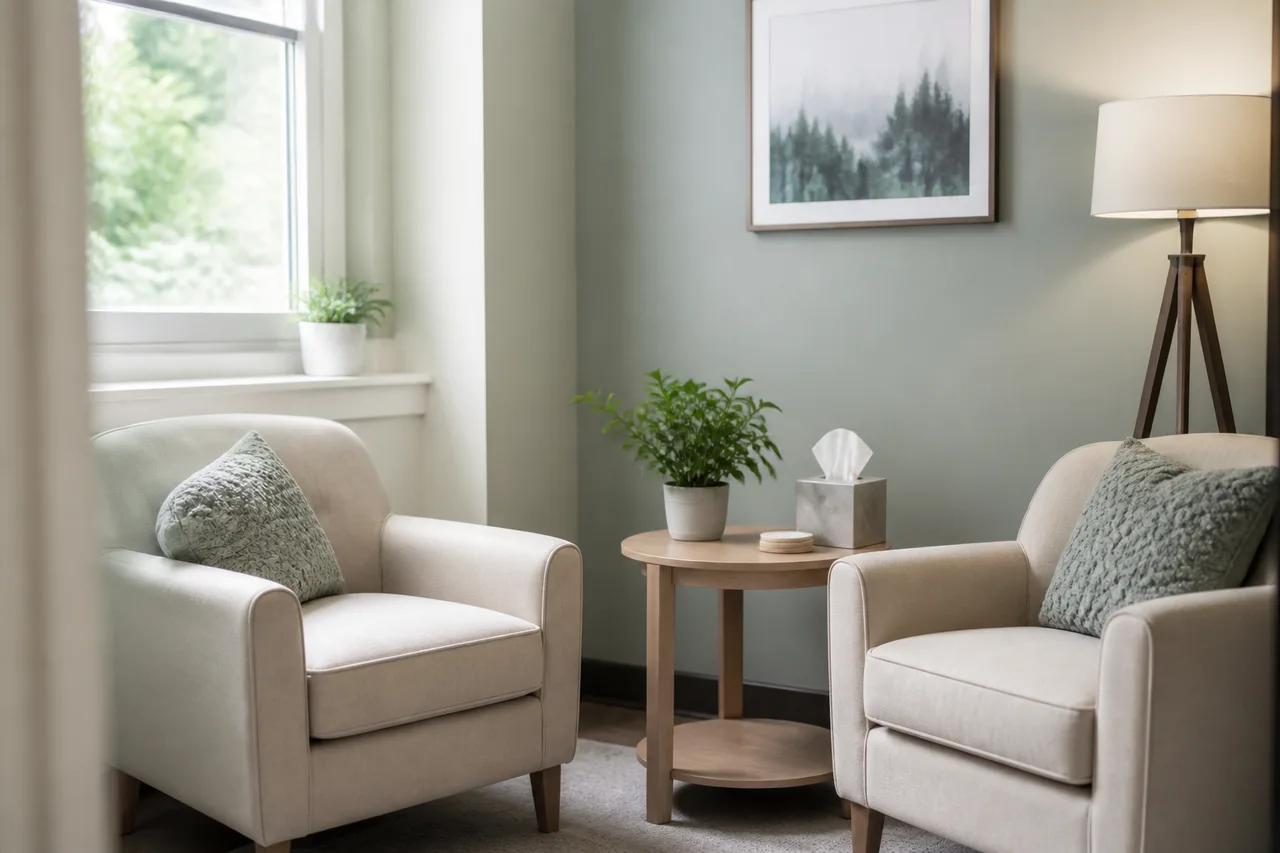
Calm consultation space used when evaluating whether recovery housing is the right next step

Level of Care Assessment

Who Might Consider Recovery Housing After Treatment?

Recovery housing may be appropriate when someone needs a substance-free living environment, peer accountability, and daily structure while building independence — without requiring 24/7 residential clinical care.

A confidential screening helps determine whether medical detox, residential treatment, PHP, virtual IOP, independent recovery housing, or another path is the safest next step.

Recovery housing may be considered when:

  • A person has completed or is stepping down from residential treatment or detox
  • The home environment includes active substance use, conflict, or limited recovery support
  • Outpatient or virtual treatment alone does not provide enough structure between sessions
  • Someone needs peer accountability while returning to work, school, or family life
  • Continuing PHP, HomeBound, or outpatient care will run alongside independent housing
  • The person can follow house rules and participate in a recovery-focused living environment

Northbound can help plan continuing care and what to ask independent residences. Call (866) 311-0003 or verify treatment insurance. Northbound does not place people into Northbound-owned sober living homes.

Conditions Treated

Treatment Continuum That Can Pair With Recovery Housing

Independent recovery housing is not clinical treatment. Many people continue therapy, medication management, or structured programming while living in a substance-free residence. Northbound can support eligible clinical services — not housing rent.

Substance use and co-occurring mental health needs should still be addressed through an appropriate level of care. Housing alone does not replace dual-diagnosis treatment when clinically indicated.

If someone is experiencing a medical emergency, severe withdrawal, suicidal thoughts, or an immediate safety concern, call 911 or 988. This page does not replace an individual medical assessment.

The Process

Planning Recovery Housing After Treatment

Use this path to coordinate independent housing with Northbound continuing care. Northbound does not place people into Northbound-owned sober living homes.

01

Discharge Planning

Review clinical needs, location preferences, finances, and what support should continue after a higher level of care.

02

Evaluate Independent Housing

Compare rules, total cost, certification, safety, management, and fit with continuing treatment before paying a deposit.

03

Keep Treatment Going

Pair housing with PHP, HomeBound virtual IOP, outpatient therapy, or aftercare when recommended.

04

Stay Connected

Use alumni support and relapse-prevention planning as independence increases — wherever someone lives in California.

What Is Daily Life Like in a California Sober Living Home?

Exact rules vary by home. Residents should ask about expectations before admission and get the answers in writing whenever possible. A typical day may include:

  • 01 · Morning

    Household routines, chores, testing when required, and preparation for work, school, or treatment sessions.

  • 02 · Daytime

    Employment, volunteering, outpatient or virtual treatment, meetings, and recovery-focused activities.

  • 03 · Evening

    House meetings, curfew compliance, peer support, and quiet time under house expectations.

  • 04 · Accountability

    Visitor policies, overnight-pass rules, medication procedures, and clear relapse-response protocols.

Useful questions include: What happens after a positive substance test? What happens if someone misses curfew? How are medications handled? What happens during a behavioral health or substance-use crisis?

Each step is guided by our clinical team — you are never alone in this process.

Start Today

Clinical Excellence

Why Choose Northbound

Clear Scope

Northbound does not own or operate sober living residences. Housing guidance on this page is educational — not a bed listing or placement service.

Alumni Support

Peer connection can continue after formal treatment, regardless of where someone lives in California.

HomeBound Pairing

Eligible California residents may continue virtual intensive outpatient treatment while living in independent housing.

Continuum Continuity

When clinically appropriate, clients can step from detox or residential into PHP or HomeBound without changing treatment brands mid-stream.

Housing Evaluation Guidance

Admissions can help families understand what to ask independent residences about rules, cost, certification, and safety.

38+ Years of Discharge Planning

Decades of continuing-care coordination for California families — always with transparent limits on what Northbound does and does not operate.

Notebook and California map used while researching independent sober living homes

Decision Guide

How to Choose a Sober Living Home in California

Choosing recovery housing is a practical decision about safety, structure, cost, and whether the home can support continuing treatment. Visit when possible, read the rules, and do not rely on marketing language alone.

Verify What the Home Actually Provides

Confirm whether you are looking at housing and recovery support or at clinical addiction treatment. A residence that mainly offers a substance-free living environment is not the same as a licensed treatment facility.

Ask About Certification

Current certification can be worth verifying because it may indicate written standards, ethics expectations, and a grievance path. Ask who certified the home and whether that status is still active.

Review House Rules Before Paying

Request written rules for drug testing, alcohol testing, curfew, visitors, overnight passes, employment, school, transportation, prescription medications, meetings, chores, relapse, discharge, and refunds.

Understand the Relapse Policy

Policies vary and may include discharge, referral to detox, treatment reassessment, transition to a higher level of care, or additional structure. Ask what this home does and how quickly it acts.

Evaluate the Living Environment

Look for clean living spaces, reasonable occupancy, safe exits, smoke alarms, carbon monoxide alarms, secure medication practices, clear house leadership, and written emergency procedures.

Ask Who Manages the House

Ask whether a manager lives onsite, how frequently leadership is present, what happens overnight, who enforces house rules, and how emergencies are handled.

Confirm Total Cost

Get a written cost disclosure that includes rent, deposits, fees, testing, utilities, and refund terms. Compare that total with the level of supervision and compatibility with continuing care.

California coastal overlook representing statewide recovery housing planning after treatment

Statewide Context

California Sober Living by Region

Recovery housing options look different across California. Use these notes to plan location, transportation, and continuing care — not as a directory of Northbound homes. Northbound does not operate sober living in any of these regions.

Orange County has a dense mix of meetings, employers, and continuing-treatment options near Northbound’s Garden Grove and Newport Beach campuses. Proximity to Northbound services does not mean Northbound operates nearby residences.

Los Angeles, San Diego, the Inland Empire, and Northern California each bring different housing markets, transit patterns, and commute realities. Plan continuing care and housing before discharge rather than waiting until the last day of treatment.

Eligible California residents may be able to continue HomeBound virtual intensive outpatient treatment after returning home. Confirm technology needs, session times, and whether a prospective residence will support that schedule.

Your Recovery Journey

Highlighted step = current program · Click any step to learn more

Sober Living vs. Residential, PHP, and Virtual IOP

Recovery housing and clinical levels of care solve different problems. Northbound provides treatment and aftercare; independent residences provide housing. Placement recommendations are based on clinical assessment — not a preferred housing brand.

Sober Living vs. Residential, PHP, and Virtual IOP
Level of CareWhere the Client StaysPrimary PurposeCommon Next Step
Residential TreatmentLives on-site with 24/7 residential structureDaily clinical programming, dual-diagnosis care, and intensive recovery-skill developmentOften steps down to PHP or another lower level of care
Partial HospitalizationDaytime clinical programming; returns to approved housing at nightStructured day treatment without overnight stay at the PHP campusOften steps down to IOP or continuing care
Virtual IOP (HomeBound)Lives at home or independent housing; attends scheduled online sessionsStructured therapy with greater schedule flexibility for eligible CA residentsOutpatient treatment and ongoing recovery support
Independent Sober LivingLives in a privately operated recovery residenceSubstance-free housing, peer accountability, and house rules — not licensed clinical treatmentOften paired with PHP, HomeBound, outpatient care, or aftercare
Admissions reception desk for continuing-care planning after California addiction treatment

Admissions

How Northbound Helps With Continuing Care Planning

Admissions is available 24 hours a day. The conversation focuses on clinical next steps, insurance for eligible Northbound treatment, and what to evaluate in independent recovery housing — not Northbound-owned beds.

  • Confidential Conversation

    Discuss current substance use, treatment history, living environment, and immediate safety needs.

  • Clinical Screening

    Determine whether detox, residential, PHP, HomeBound, outpatient care, or another service appears appropriate.

  • Insurance Benefits Verification

    Verify benefits for eligible Northbound treatment services. Northbound does not bill insurance for independent sober living rent.

  • Housing Evaluation Guidance

    Review questions to ask independent residences about rules, cost, certification, safety, and compatibility with continuing care.

Final treatment recommendations depend on clinical appropriateness, availability, and insurance authorization when required. Verification of benefits is not a guarantee of payment.

Cost

How Much Does Sober Living Cost in California?

There is no single statewide price for California sober living. Cost can change with city or region, shared versus private bedrooms, amenities, house staffing, supervision level, transportation, included services, length of stay, and whether the home is coastal or inland.

A lower price does not automatically mean a better choice. Safety, management, recovery structure, house expectations, certification, location, and compatibility with continuing treatment should also be considered.

Calculator, budget worksheet, and house keys during a California sober living cost review
  • Monthly rent and what it does or does not include
  • Deposits, intake fees, and application charges
  • Utilities, food, household supplies, and transportation
  • Drug-testing fees and other recovery-related charges
  • Refund policies and move-out requirements

Ask for a full written breakdown before paying. If the numbers are only verbal, wait until they are in writing.

Morning kitchen in a shared recovery home representing daily structure in sober living

House Expectations

Daily Structure in California Recovery Housing

Exact rules vary by home. Common expectations include sobriety, drug and alcohol testing, curfews, chores, house meetings, visitor policies, and other house-specific rules. Request written rules before admission.

Many residences encourage work, school, or volunteering, but rules differ. Confirm schedule requirements, transportation expectations, and whether employment or school is required.

Sobriety

Abstaining from alcohol and non-approved drugs, with testing policies stated in writing

Household

Curfews, chores, house meetings, visitor policies, and overnight-pass rules

Recovery support

Meetings and outpatient or virtual treatment when clinically recommended

Relapse response

Ask what happens after a positive test, missed curfew, or treatment dropout

Regulation

Are Sober Living Homes Licensed in California?

Recovery housing and clinical addiction treatment are different services. California regulates facilities that provide qualifying alcohol and drug treatment services. Housing that primarily provides a substance-free living environment and peer recovery support differs from a licensed clinical treatment facility.

Local cities or counties may also have zoning, business, occupancy, permitting, or operating requirements. This page is educational and is not legal advice.

  • Ask what services the residence actually provides
  • Confirm whether it is housing, treatment, or both
  • Verify any license or certification it claims
  • Check whether local operating rules apply

Review California Department of Health Care Services licensing information and confirm a residence’s current status based on the services it actually offers.

Quality Signals

California Sober Living Certification

Certification can be one quality signal when comparing recovery residences. Organizations such as CCAPP Recovery Residences and the National Alliance for Recovery Residences publish standards that may address ethics, safety, resident rights, grievance procedures, and house management. Certification does not guarantee quality or treatment outcomes.

Some certified homes describe themselves using NARR recovery residence levels, which reflect different amounts of structure and staff involvement. Not every home uses that framework, and level labels are not a substitute for asking how the house actually operates.

Quality seal and certificate materials representing California sober living certification standards
  • Signal 01

    Is the residence currently certified?

  • Signal 02

    Who issued the certification?

  • Signal 03

    When was the certification last reviewed?

  • Signal 04

    What recovery-residence level does the home operate under?

  • Signal 05

    Is there a grievance process?

  • Signal 06

    Who manages the residence, and what training does leadership receive?

Length of Stay

How Long Should Someone Stay in Sober Living?

There is no universal length of stay. Time in recovery housing depends on recovery stability, clinical needs, employment, school, financial stability, relapse risk, family support, independent housing availability, and treatment progress. A longer stay does not guarantee a better outcome, and a shorter stay is not automatically enough.

Sunlit hallway suggesting stages of time and progress during a sober living stay
  1. Minimum / maximum

    Ask whether the home has a required minimum stay or a maximum stay policy

  2. Milestones

    Clarify what progress markers the home expects before greater independence

  3. Work & school

    Confirm whether employment or school is required, encouraged, or optional

  4. Extensions

    Ask how additional time is handled if more structure is still needed

Insurance

Does Insurance Cover Sober Living in California?

Housing expenses

Rent is usually not insurance

Sober living housing expenses are different from clinical addiction treatment expenses. Monthly rent, deposits, and house fees are usually the resident’s responsibility and are not the same as billed treatment services. Northbound does not bill insurance for independent sober living rent because Northbound does not own or operate sober living homes.

  • Monthly rent, deposits, and house fees
  • Utilities, testing fees, and move-in charges
  • Medicaid is not accepted for Northbound treatment

Clinical treatment

Eligible care may be covered

Health insurance may potentially cover eligible clinical services received while someone lives in sober housing, depending on the plan, medical necessity, network status, and benefits. Those clinical services may include eligible PHP, virtual intensive outpatient treatment, outpatient treatment, therapy, psychiatric care, or other behavioral healthcare. Verification of benefits is not a guarantee of payment.

  • Free benefits check for eligible Northbound treatment
  • Plan, medical necessity, and network status reviewed
  • Prior authorization support when required
Journal and pen beside a warm lamp while preparing questions about California sober living

Before You Decide

Questions to Ask Before Choosing Sober Living

Before choosing an independent recovery residence in California, consider asking the operator:

  1. What services do you actually provide — housing, treatment, or both?
  2. Are you currently certified, and by which organization?
  3. Can I review written house rules before paying a deposit?
  4. What is the total monthly cost, including fees and testing?
  5. What is your relapse and positive-test policy?
  6. Who manages the house overnight and during emergencies?
  7. Is employment or school required?
  8. How do you handle prescription medications?
  9. What is the minimum and maximum length of stay?
  10. Will the schedule support PHP, HomeBound, or outpatient treatment?
  11. What is the refund and move-out policy?
  12. How many residents share a room, and what are occupancy limits?
  13. What transportation options exist for work, school, and meetings?
  14. Is there a written grievance process?
  15. Can family members visit, and what are overnight-pass rules?

Northbound’s admissions team can help you plan continuing care and what to evaluate in independent housing. We do not own or operate sober living homes.

References

Recovery Housing References

Use primary sources when you are checking licensing, certification, or recovery-housing standards. These organizations do not endorse a specific residence, and a listing or standard is not a guarantee of quality.

Common Questions

Frequently Asked Questions

Have a question not answered here? Call our admissions team — they're available 24/7.

(866) 311-0003
Sober living is a drug- and alcohol-free residential environment designed to support people in recovery as they transition toward independent living. Homes may include peer support, house rules, and recovery-focused routines.
No. Rehab provides clinical addiction treatment. Sober living primarily provides recovery-focused housing and peer accountability. Some people do both at the same time when a clinician recommends continuing PHP, virtual intensive outpatient treatment, or another service.
Requirements differ by residence. Some homes expect a recent treatment episode; others accept people who are already living in the community and need a substance-free setting. Ask about admission criteria before applying.
Prices vary by region, room type, staffing, amenities, and included services. Ask for a written breakdown of rent, deposits, fees, utilities, testing, and refund rules. A lower price is not automatically a better choice.
Sober living rent is usually a housing expense, not a clinical treatment charge. Northbound does not bill insurance for sober living rent. Our admissions team can verify benefits for eligible Northbound addiction treatment services that may be used before, during, or after a period of independent recovery housing.
Recovery housing and licensed clinical treatment are different services. California regulates facilities that provide qualifying alcohol and drug treatment services. Requirements for a residence depend on the services it actually provides and on local rules. Verify current status directly with the home and the relevant agency.
Certification from an organization such as CCAPP Recovery Residences, often aligned with NARR standards, can be one quality signal. It does not guarantee safety, quality, or treatment results. Ask who issued the certification and when it was last reviewed.
Common expectations include sobriety, drug and alcohol testing, curfews, chores, house meetings, visitor policies, and other house-specific rules. Request written rules before admission.
Many residences encourage work, school, or volunteering, but rules differ. Confirm schedule requirements, transportation expectations, and whether employment or school is required.
Policies vary by home. A residence may discharge the person, refer them to detox, ask for a treatment reassessment, add structure, or help arrange a higher level of care. Ask about the relapse policy in writing before moving in.
There is no single timeline. Length of stay depends on recovery stability, clinical needs, work or school, finances, family support, and whether independent housing is available. Ask about minimum stay, maximum stay, and how more time is handled.
No. Northbound Treatment does not own or operate sober living residences. Northbound provides addiction treatment, continuing care, virtual intensive outpatient treatment, alumni services, relapse-prevention support, and discharge planning.
Eligible individuals may participate in appropriate Northbound treatment or continuing-care services depending on clinical appropriateness, location, insurance, and program availability. Admissions can help determine what may fit.

Medical content oversight

Venice Sanchez, MD

Medical Director, Northbound Treatment Services

Board-certified in Psychiatry and Addiction Medicine

Last updated: 2026-08-14

Sources consulted: The ASAM Criteria; SAMHSA guidance on recovery housing

Take the First Step

Talk With Admissions About Continuing Care

Northbound can help you plan treatment, aftercare, and what to look for in independent recovery housing. We do not own or operate sober living homes. Insurance verification for eligible Northbound treatment is free and confidential.

24/7 Admissions Available
DHCS Licensed #300661CP
Insurance Accepted
Orange County & Seattle