Drug & Alcohol Detox
Medically Supervised Alcohol Detox in Orange County
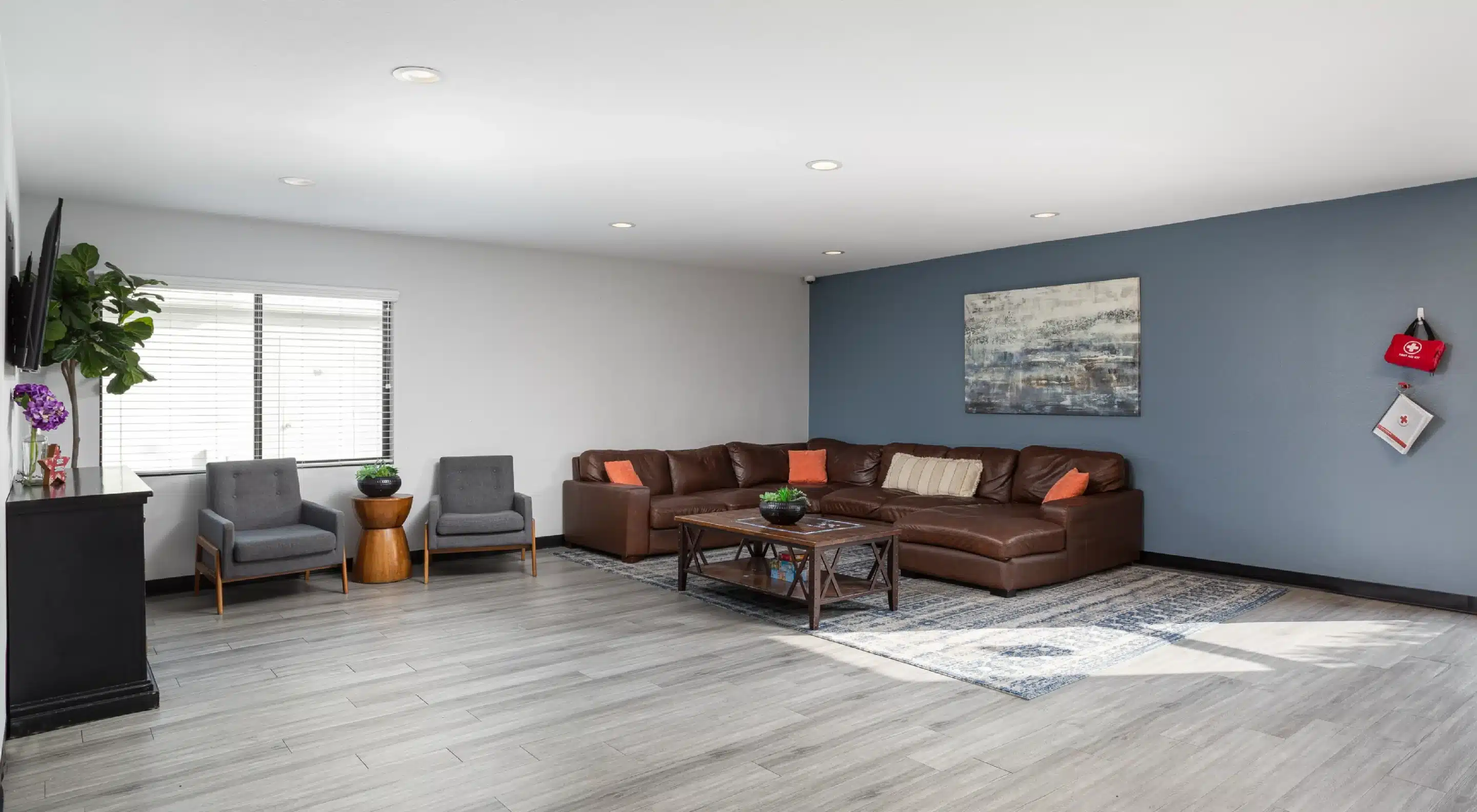
Sub-acute residential alcohol detox at The Grove in Garden Grove, CA
Alcohol detox at Northbound takes place at The Grove, our sub-acute residential detox center in Garden Grove, with 24/7 medical monitoring. Admissions answers (866) 311-0003 around the clock and can check your benefits at no cost.
- 24/7 medical monitoring during withdrawal
- Medication-assisted treatment (MAT) when clinically indicated
- Benefits verified at no cost before you arrive
- IMS certified and DHCS licensed
Why Alcohol Withdrawal Needs Medical Supervision
The National Institute on Alcohol Abuse and Alcoholism (NIAAA) calls alcohol withdrawal “a potentially life-threatening process that can occur when someone who has been drinking heavily for a prolonged period of time suddenly stops drinking,” in its guide to understanding alcohol use disorder.
NIAAA also says people with severe alcohol use disorder may need medical help to avoid withdrawal if they decide to stop. Its guide to finding treatment for alcohol problems gives plain advice: “Seek medical help to plan a safe recovery.”
Severe withdrawal symptoms can include delirium tremens (DTs), hallucinations, seizures, and a rapid heart rate. That is why alcohol detox at Northbound takes place with 24/7 medical monitoring rather than at home.
- Delirium tremens (DTs)
- Hallucinations
- Seizures
- Rapid heart rate
Written by Northbound Editorial Team · Last updated November 5, 2026 · Sources: NIAAA, SAMHSA. This page is general information and does not replace an individual medical assessment.
Overview
What Happens in Alcohol Detox at The Grove
Alcohol detox at Northbound takes place at The Grove, 9842 13th St, Garden Grove, CA 92844. It's a sub-acute residential detox center, so you stay on site while qualified medical professionals monitor you 24/7.
The Grove detox is led by Dr. Venice Sanchez, MD — double board-certified in Psychiatry and Addiction Medicine — as stated on Northbound's medical detox page. Medication-assisted treatment (MAT) is used when clinically indicated, and comfort medications help ease withdrawal symptoms. The team also screens every client for co-occurring mental health conditions, such as anxiety or depression, during detox.
Northbound's Garden Grove detox holds DHCS License #300661CP and IMS (Incidental Medical Services) certification. When detox ends, your clinical team plans the next level of care with you, which is typically residential treatment or PHP.
At a Glance
Typical Duration
About 5–10 Days (ASAM-guided)
Level of Care
Sub-Acute Residential
Supervision
24/7 Medical Monitoring
Location
The Grove, Garden Grove CA
Insurance
15+ Major Plans Accepted
Certification
IMS Certified · DHCS #300661CP
The Process
What to Expect During Alcohol Detox
Your stay moves through five stages, and each one follows your individual medical assessment rather than a fixed script.
Intake & Assessment
When you arrive, the clinical and medical team reviews your medical history, drinking history, and any co-occurring mental health conditions to build your treatment plan.
24/7 Medical Monitoring
Qualified medical professionals supervise you around the clock and manage withdrawal symptoms, using MAT when clinically indicated and comfort medications as needed.
Therapeutic Support
Detox at Northbound goes beyond the physical. Daily therapeutic sessions, group support, and individual counseling help address the emotional and psychological dimensions of addiction from day one.
Dual-Diagnosis Screening
The team screens every client for co-occurring conditions such as anxiety, depression, and PTSD, so mental health care can begin during detox.
Transition Planning
As withdrawal symptoms ease, your clinical team plans the next phase of care with you, which is typically residential treatment or PHP.
How Long Alcohol Detox Takes
NIAAA's clinician guidance notes that alcohol withdrawal symptoms usually start within a few hours after a dependent person suddenly stops drinking. Its Core Resource on Alcohol also explains that a small proportion of people with AUD need a few days of medically supported detox for potentially dangerous symptoms. At Northbound, length of stay follows ASAM-guided clinical criteria — often about 5 to 10 days, and longer when medically indicated.
- 01 · First hours
Per NIAAA, withdrawal symptoms usually begin within a few hours after stopping. Intake, medical stabilization, and monitoring start as soon as you arrive at The Grove.
- 02 · Days 1–2
Withdrawal monitoring, dual-diagnosis screening, and comfort medications or MAT when clinically indicated continue under 24/7 supervision.
- 03 · Through mid-detox
Vital-sign monitoring and therapeutic support continue while the team watches for more severe symptoms such as seizures or delirium tremens.
- 04 · Transition / after detox
Before discharge, your team coordinates the next level of care — typically residential treatment or a partial hospitalization program.
Same-day admission is possible when clinically appropriate and a bed is available. Call (866) 311-0003 to talk about timing, since admissions answers 24/7.
Each step is guided by our clinical team — you are never alone in this process.
Start TodayClinical Excellence
Why Choose Northbound
DHCS Licensed & IMS Certified
Northbound's Garden Grove detox holds DHCS License #300661CP from the California Department of Health Care Services, along with IMS certification.
Led by Dr. Venice Sanchez, MD
The Grove detox is led by Dr. Venice Sanchez, MD — double board-certified in Psychiatry and Addiction Medicine — as already stated on Northbound's medical detox page.
Medication When Clinically Indicated
The medical team uses MAT when clinically indicated and adds comfort medications as needed to ease alcohol withdrawal symptoms.
A Plan for the Next Level of Care
Transition planning starts during detox, and the next step is typically residential treatment or PHP, chosen by clinical need.
After Detox
What Comes After Alcohol Detox
Detox manages withdrawal, and it's the first phase of care rather than all of it. As symptoms ease, your clinical team recommends the next level of care based on clinical need.
That step is typically residential treatment, commonly at The Grove, or a partial hospitalization program (PHP). The team coordinates the move before discharge, so you leave detox with the next step already planned.
Your Recovery Journey
Highlighted step = current program · Click any step to learn more
Admissions
Check Your Insurance for Alcohol Detox
Northbound is in-network with 15+ major carriers. Admissions verifies your benefits at no cost before you arrive and explains known deductibles, authorization needs, and estimated responsibilities.
Confidential Call or Form
Share your drinking history, recent use, medications, and any medical or mental health concerns with admissions.
Clinical Screening
Admissions assesses withdrawal risk and whether medical detox, residential treatment, or another level of care is the safest start.
Benefits Verification
With your permission, admissions contacts your insurer about network status, prior authorization, and known coverage for detox.
Arrival Planning
Admissions confirms what to bring, travel support when needed, and how detox steps into the next level of care.
Verification of benefits is not a guarantee of payment. Coverage depends on your plan, medical necessity, and authorization.
Common Questions
Frequently Asked Questions
Have a question not answered here? Call our admissions team — they're available 24/7.
(866) 311-0003Take the First Step
Talk With Admissions About Alcohol Detox
Admissions answers (866) 311-0003 around the clock and can check your benefits at no cost before you arrive.